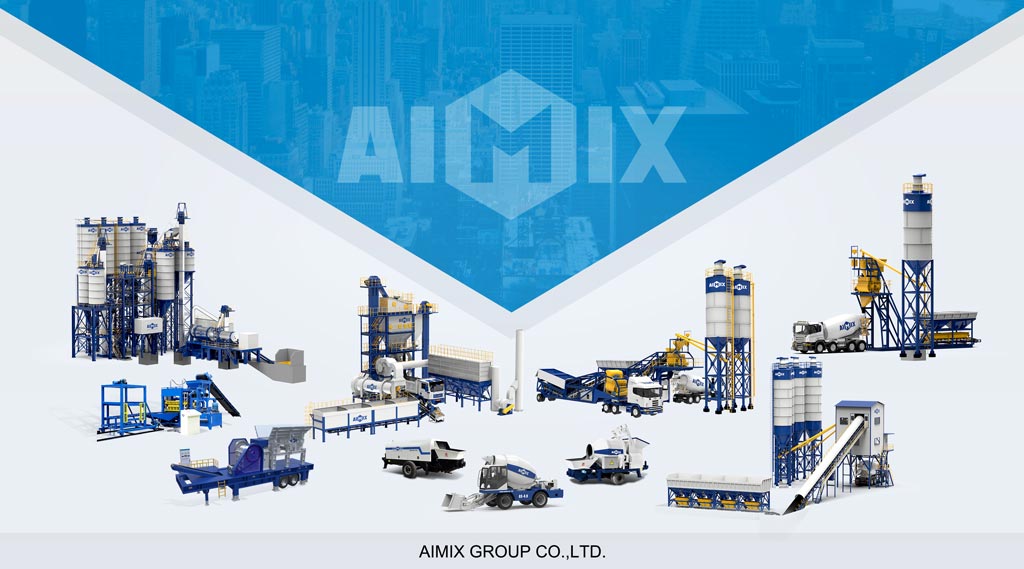
Fast Concrete Pouring in Nigeria: Why a Cement Mixer with Pump Matters
Time is the silent thief on Nigerian construction sites. Every minute spent moving concrete from the mixer to the formwork is a minute not spent placing it. Every hour lost to wheelbarrow traffic jams is an hour added to the project schedule. Fast concrete pouring is not a luxury. It is a necessity. The tool that enables this speed is the cement mixer with an integrated pump. These machines combine batching, mixing, and pumping into a single mobile unit. They eliminate the slowest step in the concrete process: manual transport. This article argues that for Nigerian contractors, a cement mixer with pump is not just a convenience. It is a competitive weapon. Short sentences carry weight. Long sentences explain the why. Together, they make the case for pumping. Let us celebrate the machine that keeps concrete flowing and projects moving.
Speed: The Currency of Construction
A wheelbarrow holds 0.05 cubic meters of concrete. A 20 cubic meter foundation requires 400 wheelbarrow trips. Each trip takes two minutes. That is 800 minutes. That is over 13 hours. Add breaks. Add delays. Add fatigue. A single foundation pour becomes a two-day ordeal. A cement mixer with a pump changes everything. The machine pumps 10 to 20 cubic meters per hour. The same 20 cubic meter foundation takes one to two hours. The difference is not incremental. It is transformational. The contractor who pumps finishes before lunch. The contractor who uses wheelbarrows finishes after dark. Speed wins projects. Speed wins customers. Speed wins money. The mixer-pump is the speed machine. Use it.
Traditional methods deliver concrete in batches. A batch mixes. The operator stops. The concrete is moved. The operator restarts. The cycle repeats. Each stop and start wastes time. Each interruption allows the concrete in the formwork to begin setting. The result is cold joints. Weak points. Potential cracks. A mixer-pump delivers continuous flow. Concrete mixes and pumps simultaneously. The stream never stops. The formwork fills evenly. The surface finishes smoothly. Continuous flow is faster. It is also better. The contractor who pumps produces stronger concrete in less time. That is a cheerful equation. Speed plus quality equals profit.
Access: Reaching the Unreachable
Nigerian sites are rarely flat and open. Steps, trenches, rebar mats, and narrow corridors block wheelbarrow access. Workers carry concrete in buckets. They climb. They balance. They spill. The process is slow, dangerous, and wasteful. A concrete pump with mixer for sale delivers concrete through a hose. The hose goes where the wheelbarrow cannot. Up stairs. Across trenches. Through doorways. Over rebar. The pump sits in one place. The hose reaches 20 to 50 meters. Access is no longer a constraint. The contractor who pumps can pour anywhere. The contractor who carries is limited. The cheerful truth is that a hose is longer than a wheelbarrow route. Much longer. Pumping wins the access battle every time.
Building upward is the Nigerian dream. Two stories. Three stories. Four stories. Each story adds concrete. Each story adds lifting height. Manual methods require hoists, cranes, or bucket brigades. All are slow. All are expensive. A mixer-pump pumps vertically. Thirty meters. Forty meters. Fifty meters. The hose climbs the building with the formwork. The pump stays on the ground. Concrete flows up. No cranes. No hoists. No bucket brigades. The contractor who pumps builds higher faster. The cheerful epigram: A pump in the hand is worth two cranes in the bush. Multi-story pouring becomes single-story simple.
Quality: Consistency Without Compromise
Concrete is a mixture of heavy and light components. Aggregates sink. Water rises. Carrying and pouring from height accelerate this separation. The result is non-uniform concrete. Weak at the top. Rocky at the bottom. Pumping prevents segregation. The concrete moves through the hose under pressure. The components stay mixed. The material that arrives at the formwork is the same as the material that left the mixer. Consistency is the foundation of strength. The mini concrete pump for sale delivers consistency. The cheerful argument is simple. If you want strong concrete, pump it. If you do not care about strength, carry it. The choice is yours.
Concrete begins curing as soon as it is mixed. Delays in placement allow the curing process to advance before the concrete is in position. The result is a weaker bond between batches. A rougher surface. A higher risk of cracking. Fast placement—the kind enabled by pumping—gets the concrete into the formwork while it is still fresh. The entire pour cures together. The structure is monolithic. The strength is uniform. The cheerful lesson: speed is not the enemy of quality. Speed is the friend of quality. The mixer-pump delivers both. Nigerian contractors who embrace pumping will pour faster, build taller, and finish stronger. That is not a prediction. It is a promise. The machine matters. The method matters. The results matter. Pour on.
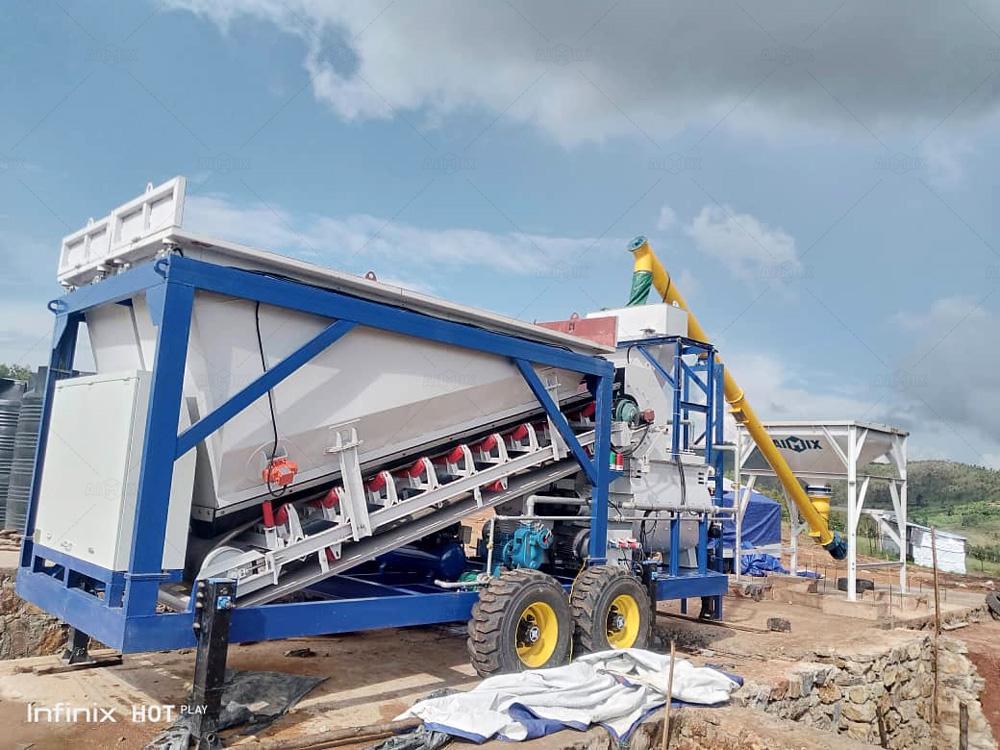
Remote Construction, Real-Time Concrete: Why Portable Batch Plants Save Time and Money
The logistical calculus of remote construction projects is fundamentally reshaped by the paradigm of on-site material production, with portable concrete batch plants emerging as the critical nexus between supply chain fragility and operational sovereignty. The conventional model of sourcing ready-mix concrete from distant stationary plants imposes a severe time and cost tax, burdened by lengthy transit times, the risk of material degradation, and absolute dependency on third-party schedules. Portable concrete plant dismantles this inefficient model, enabling a "real-time concrete" methodology where material is produced on-demand, directly adjacent to the placement site. This shift from a just-in-time delivery model to a just-in-time production model eliminates transit waste, compresses project timelines, and creates a formidable economic advantage, transforming the most isolated job site into a self-sufficient production node.
Eradicating Transit Time and Material Degradation
The most immediate and quantifiable savings delivered by portable batch plants stem from the complete elimination of long-distance concrete transit. For a remote site, a transit mixer's journey can consume hours, during which the concrete's workability clock is relentlessly ticking. This necessitates complex admixture cocktails to extend set times, increases the risk of cold joints if delays occur, and often results in partial loads being rejected upon arrival if they exceed specification windows. A portable plant erases this entire variable. Concrete is mixed and discharged within minutes, ensuring optimal workability and placement characteristics. The logistical simplicity is profound: bulk materials—cement, aggregates, water—are delivered in their most transport-efficient forms, not as a perishable, time-sensitive slurry. This decouples material supply from production scheduling, allowing for larger, more economical shipments of raw components and eliminating the premium pricing associated with remote ready-mix delivery.
Furthermore, the specter of material degradation is exorcised. The deleterious effects of agitation and travel on mix water, entrapped air, and admixture performance are nullified. The concrete placed is precisely the concrete designed, with no compromise to its structural potential. This allows for the use of simpler, more cost-effective mix designs without the need for expensive retarders or stabilizers. The control over the batching environment—particularly water temperature and aggregate moisture content—is vastly superior, leading to unprecedented consistency. This level of quality assurance is unattainable with delivered concrete, where the final product's condition is partially determined by a driver's route and traffic conditions. The portable plant makes the site the master of its own material destiny, ensuring every cubic meter meets specification without the hidden costs of waste, rejection, or remedial work.
Unshackling the Project Schedule and Optimizing Labor
A portable batch plant confers absolute temporal autonomy, a strategic asset of immense value. Project scheduling is liberated from the tyranny of the ready-mix supplier's dispatch board, weather-delayed trucks, and batch plant queue times. Concrete production can be initiated, paused, and resumed in perfect synchrony with formwork readiness, crew availability, and weather windows. This enables continuous, optimized workflow, particularly for critical path activities like slab pours or sequential structural lifts. Work can proceed during off-hours or weekends without negotiating premium delivery rates, effectively adding productive days to the construction calendar. The ability to produce small batches for repairs, backfills, or incidental work without the minimum load requirements of a commercial ready mix plant further eliminates schedule friction and prevents workarounds that compromise quality.
This temporal control directly optimizes labor deployment. Crews are no longer held in costly standby, awaiting a truck that may be delayed. The production rhythm is dictated by the site's pace, not a distant plant's capacity. This allows for the implementation of lean construction principles, reducing non-value-added waiting time to near zero. Furthermore, the labor model shifts. Instead of a crew focused on receiving and placing delivered concrete, a smaller, integrated team manages the production-placement cycle. This often leads to higher labor utilization efficiency and can reduce the total manpower required for concrete operations, as the tasks of material handling, batching, and quality control are consolidated and streamlined. The portable plant transforms the concrete operation from a reactive, logistics-heavy ordeal into a proactive, predictable, and efficient component of the daily workflow, directly translating saved time into saved money.
The Direct and Compound Economic Advantage
The financial argument for portable batch plants extends beyond avoided transit costs and schedule acceleration into tangible, bottom-line savings. The direct cost per cubic yard of on-site produced concrete is typically 15-30% lower than delivered ready-mix, especially in remote locations where distance premiums are severe. This saving accrues from the elimination of the ready-mix supplier's profit margin, the chauffeured-driven truck cost, and the fuel surcharges embedded in delivery fees. Capital is deployed more efficiently: money is spent on bulk powder and aggregate, not on hauling water over mountains. Waste is minimized through batch-for-batch production, eliminating the paid-for but unused concrete that results from over-ordering to avoid a short load.
The compound economic benefits, however, are more powerful. The reduction in project duration lowers general conditions costs—trailers, fencing, supervision, financing—that accumulate daily. Earlier project completion unlocks milestone payments sooner, improving cash flow. The mitigation of schedule risk—the near-elimination of concrete-related delays—protects the project from liquidated damages and preserves client relationships. There is also significant value in the optionality created. The mobile asset can be redeployed to the next project, avoiding repurchasing this capability. It provides a hedge against regional price volatility for ready-mix and insulates the project from the bankruptcy or failure of a sole-source supplier. In essence, the concrete batch plant for sale is not merely a piece of equipment; it is a risk mitigation and financial optimization tool. It converts the variable, unpredictable cost of concrete into a fixed, controlled cost center, providing budget certainty and delivering a return on investment that is often realized within the first major pour, paying for itself not just in lower unit costs, but in the recovered time and averted expenses that define a profitable project.
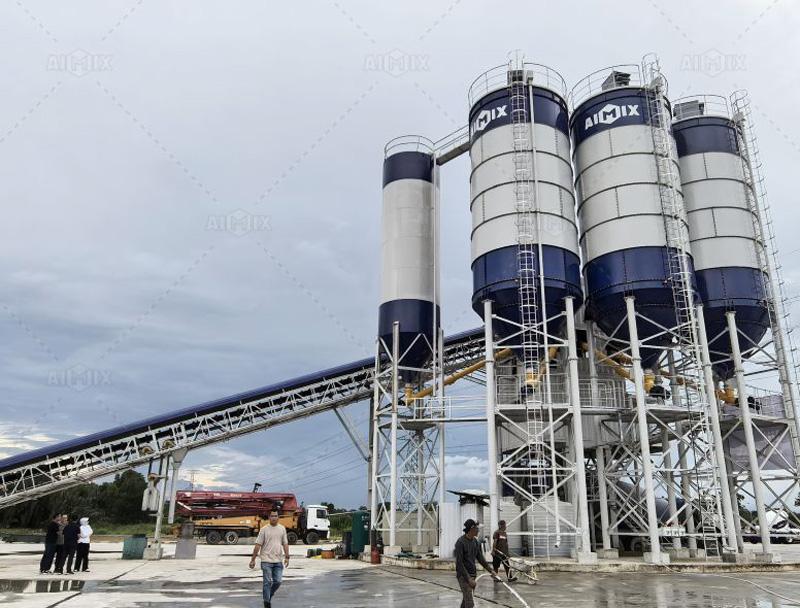
Expert Interviews: Insights on Stationary Concrete Batching Plant Assembly Techniques
The successful assembly of a stationary concrete batching plant is a disciplined engineering undertaking that directly determines its long-term operational reliability, accuracy, and safety. While manufacturers provide general guidelines, the nuanced application of these principles on a specific site separates a proficient installation from one fraught with future issues. Drawing upon consolidated wisdom from experienced field engineers and project managers, this guide outlines a methodical approach to plant assembly. It emphasizes that quality is built in from the ground up, literally and figuratively, through meticulous planning, precise execution, and rigorous verification at each phase. Following these instructive insights will help ensure your stationary concrete plant is assembled to deliver consistent performance from its very first batch.
Pre-Assembly Site Analysis and Foundation Engineering
Long before the first component arrives, the assembly process begins with a thorough analysis of the intended site. This is not a cursory inspection. You must conduct a proper geotechnical survey to confirm soil bearing capacity and drainage characteristics. The foundation design, whether a monolithic reinforced concrete slab or isolated piers, must be engineered to handle not just the plant's static weight, but also the dynamic loads from mixers, vibrating screens, and fully loaded aggregate bins. Any compromise here can lead to settling, misalignment, and structural stress.
Simultaneously, logistical planning is critical. Verify that access roads and staging areas can accommodate the delivery and movement of oversized components like cement silos and the main mixer unit. The most crucial task in this phase is the precise placement of anchor bolts within the foundation pour. These bolts must be positioned within a tolerance of a few millimeters, securely held in a template or jig during concrete placement. An error here makes the subsequent structural erection extremely difficult and costly to correct. The foundation is the literal and figurative bedrock of the entire installation; investing time in its perfection pays perpetual dividends in ready mix concrete plant stability.
Systematic Component Erection and Structural Alignment
With a sound foundation cured, the physical erection follows a deliberate sequence, typically starting with the largest and heaviest elements. Cement storage silos are often erected first, requiring careful crane coordination. Each bolted connection in the silo sections and the supporting tower legs must be tightened to the manufacturer's specified torque values using a calibrated wrench—guesswork is unacceptable. Following this, the main plant structure, including the aggregate batcher and mixer support frame, is assembled.
At every stage, alignment is verified using precision tools. A laser level is indispensable for ensuring silos and structural columns are perfectly plumb. Conveyor supports must be aligned both for level and straightness to prevent belt tracking issues and premature wear. Rushing this phase or using inadequate leveling techniques will introduce permanent operational inefficiencies, causing vibration, increased energy consumption, and accelerated component failure. The goal is to create a rigid, perfectly aligned skeleton upon which all other systems will depend.
Mechanical, Electrical, and Pneumatic Systems Integration
Once the structural framework is secure and true, the intricate work of systems integration begins. This phase involves three parallel streams: mechanical (piping, conveyors), electrical (power, control), and pneumatic (air lines for gates and actuators). Adhere to a cardinal rule: never run different system conduits or pipes in a haphazard bundle. Plan neat, segregated routes. For piping, whether for water or compressed air, use proper hangers and allow for thermal expansion. Pressure-test all lines before connecting them to sensitive components.
The electrical installation demands particular care. Follow the provided schematic diagrams exactly. Use correctly rated cables, secure them in trays or conduits, and label both ends of every wire meticulously. This discipline is not for aesthetics; it is for the safety of personnel and the ease of future troubleshooting. Before connecting power to the main control panel, perform continuity and insulation resistance tests on all circuits. Integrating these systems with forethought and precision prevents the tangled, unreliable mess that leads to chronic downtime.
Commissioning and Calibration: The Final Verification Phase
Commissioning is the comprehensive proof-of-performance, not a simple startup. It begins with a visual inspection of the entire assembly, verifying that all guards are in place and no tools are left inside concrete batch plant machinery. Systems are then energized sequentially, starting with utilities (air compressor, water pump), then conveyors, and finally the control system. Each motor, solenoid valve, and sensor is tested individually for correct operation before any attempt is made to run an automated cycle.
The most critical technical step is the calibration of the weighing systems. This is a non-negotiable procedure for batching accuracy. Using certified test weights, each load cell system—for aggregates, cement, powder, and water—must be calibrated across its entire range. The control system's software is then configured with these calibration curves. Following this, material flow is tested: aggregate gates are checked for full, clean closure, and the cement screw conveyor or pneumatic system is verified for consistent delivery. Only after every subsystem has passed its individual test should you attempt a full, dry batch cycle (without water or cement), and then finally, a complete production batch. This meticulous, step-by-step verification ensures your plant is not just assembled, but is accurately tuned and ready for reliable, long-term production.
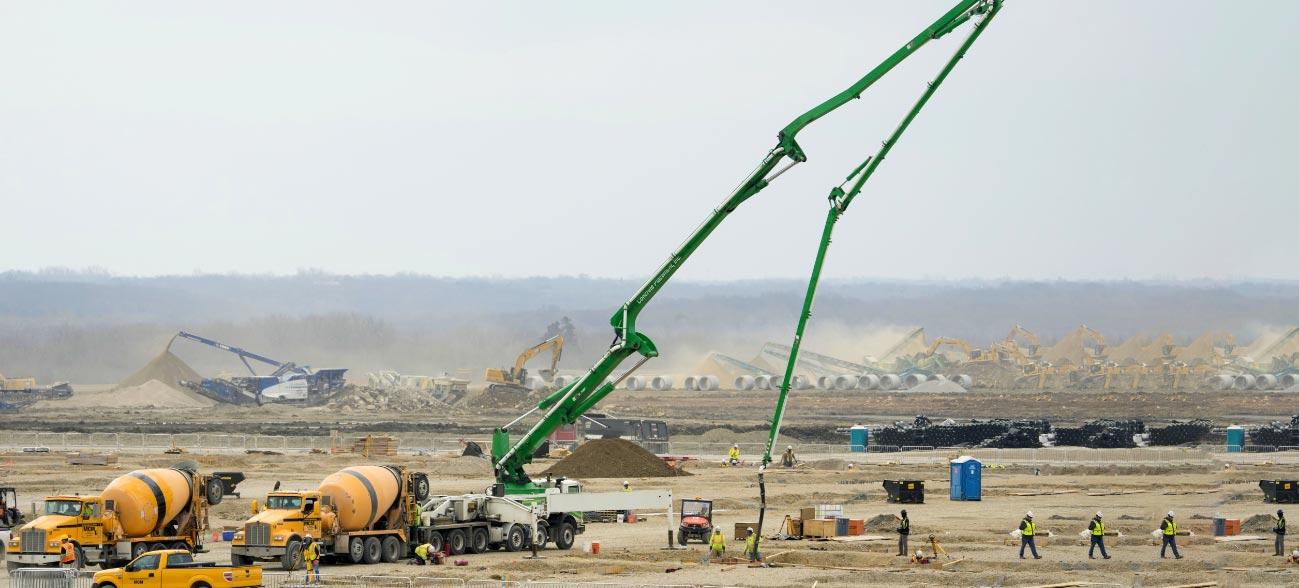
Why the 42m Mobile Boom Pump Truck is Essential for Your Next Project in Saudi Arabia
Selecting the right concrete placement equipment is a critical decision that directly influences the safety, speed, and financial outcome of any construction project in Saudi Arabia. The nation's ambitious development agenda, characterized by expansive giga-projects and dense urban developments, presents unique challenges that demand equally specialized solutions. Among the array of available machinery, the 42-meter mobile boom pump for sale emerges as an exceptionally strategic asset. This specific class of equipment is not merely a convenience; it is a fundamental tool for overcoming the pervasive constraints of scale, access, and schedule that define contemporary Saudi construction. Its adoption is a proactive measure to de-risk project timelines, ensure precision, and optimize resource allocation from the project's earliest phases.
Addressing the Geographic and Logistical Scale of Saudi Projects
The sheer physical scale of many Saudi projects renders smaller pumping equipment inadequate. A 42-meter boom provides a substantial vertical and horizontal reach envelope that is essential for large-scale industrial facilities, multi-story residential complexes, and sprawling infrastructure works. This extended reach allows the pump truck to be positioned in a single, optimal location—often on a public road or a designated perimeter area—while its articulated boom services a vast section of the construction site. This capability is crucial for placing concrete in deep foundations, for upper-floor slabs on tall structures, and across wide footprints without the need to repeatedly reposition the heavy vehicle, which is both time-consuming and can compromise site stability.
Furthermore, Saudi construction sites frequently contend with significant access limitations. These can include congested urban surroundings, intricate site layouts with pre-existing structures, or extensive security perimeters. The 42m boom's ability to reach over obstacles—such as finished building sections, landscaped areas, or temporary site fencing—is indispensable. It allows concrete placement to proceed unimpeded by ground-level obstructions, preserving site integrity and eliminating the need for costly secondary access routes or the disruptive movement of other equipment. This strategic positioning minimizes on-site traffic and enhances overall site safety by keeping the heavy truck away from active workfaces and pedestrian corridors.
Meeting the Technical and Speed Demands of Modern Construction
The pace of major projects in Saudi Arabia is relentless, with concrete pours often scheduled around the clock to meet ambitious milestones. A 42-meter concrete mobile pump is engineered for this high-demand environment. It combines significant volumetric output with the mechanical reliability required for continuous operation. Its high-pressure pumping system can deliver a consistent flow of concrete over the entire length of its boom, ensuring that large-volume pours for foundation mats or floor slabs are completed in a single, monolithic operation without cold joints. This continuity is vital for structural integrity and waterproofing performance.
In addition to speed, the technical specifications of modern concrete used in high-performance applications demand precise placement. The sophisticated control systems of a 42m pump allow operators to manage the flow of concrete with exactitude, which is essential when working with complex formwork, dense rebar configurations, or specialized mixes like self-consolidating concrete (SCC). The machine's stability and precise articulation ensure these advanced materials are placed correctly on the first attempt, reducing waste and rework. By matching the equipment's technical capability to the project's material science, you safeguard the quality of the finished structure while maintaining the critical path schedule.
Maximizing Operational Efficiency and Project Economics
Ultimately, the decision to utilize a 42m mobile boom pump is an exercise in economic optimization. It dramatically reduces the labor force traditionally required for concrete placement via cranes and buckets or manual methods. This consolidation of labor into a machine-operated process not only lowers direct wage costs but also diminishes the safety risks associated with large crews performing manual handling tasks at height or in confined spaces. The speed of placement directly accelerates the project timeline, freeing up formwork and reinforcement crews for subsequent sections sooner and compressing the overall construction schedule.
The financial rationale extends to a clear return on investment. While the rental or operational cost of a 42m concrete pump machine truck is a line item, it must be weighed against the costs it avoids: extended crane hire, larger labor teams, potential overtime, and the immense cost of schedule overruns. By ensuring concrete work is completed swiftly and correctly, this equipment prevents cascading delays to follow-on trades like masonry, electrical, and finishing work. For a contractor, the ability to guarantee reliable, rapid concrete placement enhances your bidding competitiveness and builds a reputation for delivering on time. In the context of Saudi Arabia's dynamic construction market, the 42-meter mobile boom pump is not an optional luxury; it is an essential instrument for executing projects with the efficiency, quality, and financial discipline that today's market demands.
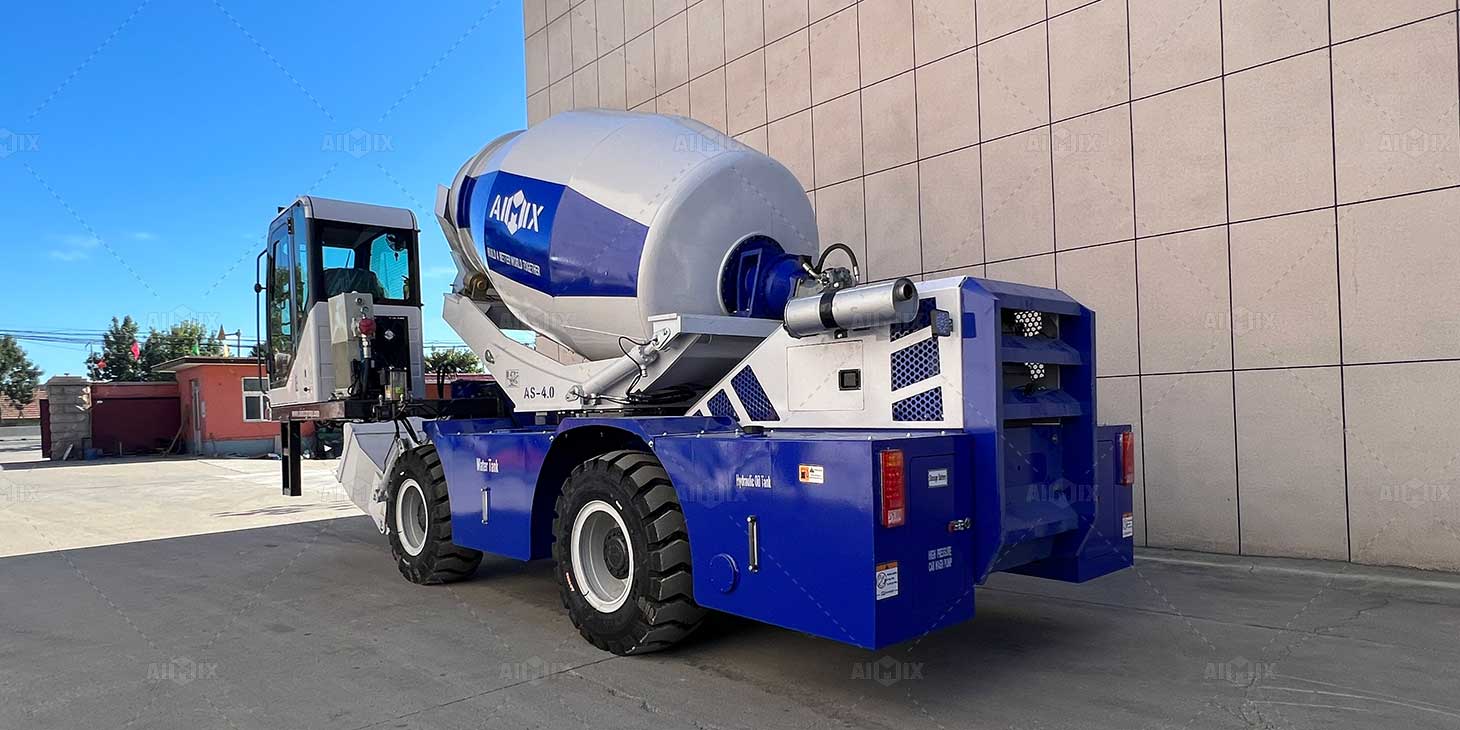
The Value of Upgrading: Why New Self-Loader Mixers Should Be on Your Radar in Zimbabwe
For the dedicated builders and contractors shaping Zimbabwe’s future, every piece of equipment is more than a tool—it’s a trusted partner in progress. You know the rhythms of the land, the specific challenges of each site, and the profound importance of reliability. In this context, the familiar rumble of an older self loading mixer is a sound of hard work. Yet, the landscape of construction is whispering about a new generation of machines, offering not just replacement, but a meaningful upgrade. Considering a new self-loader isn't about discarding what works; it's a thoughtful step toward cultivating greater resilience, seeding new opportunities for growth, and nurturing your business for the long journey ahead. It’s about ensuring your most vital partner is ready for tomorrow's work, not just yesterday's.
Cultivating Resilience: Beyond Old Machines and Rising Costs
We understand the attachment to machinery that has seen you through countless projects. However, older equipment often carries a hidden, quiet cost that can slowly erode your hard-earned progress. Unplanned downtime isn't just an afternoon’s frustration; it’s a rupture in your schedule, a disappointed client, and wages paid for idle hands. A new self-loader mixer is engineered for endurance. With modern, fuel-efficient engines and robust hydraulic systems, it’s designed to start when you need it and work through the day with steadfast dependability. This reliability transforms your operation from reactive to resilient, allowing you to plan with confidence rather than cross your fingers.
Furthermore, these new machines understand the realities you face daily. They are clever partners in navigating volatility. Advanced systems use fuel with a newfound frugality, stretching every liter further—a gentle but powerful counter to rising costs. Their precise batching capabilities ensure you mix exactly what you need, minimizing the heartache and cost of wasted materials. In a time where every resource is precious, a new self-loader helps you guard them, turning operational challenges into managed, predictable elements of your work. It becomes a shield for your profitability and your peace of mind.
Seeding Growth: Unlocking New Projects and Trust
Your ambition to build more, to reach further, is the engine of growth. Older equipment can quietly place fences around that ambition, limiting you to sites with perfect access and straightforward logistics. The latest self-loading concrete mixers in Zimbabwe are keys to new territories. With enhanced mobility, superior traction, and often greater pumping reach, they allow you to confidently bid on projects others might shy away from—that hillside development, that remote community school, that sensitive site where large trucks cannot tread. Your world of potential contracts expands, inviting you to leave a mark on places waiting for your skill.
This capability does more than win jobs; it builds something invaluable: trust. Arriving with modern, well-maintained equipment speaks volumes before a single stone is laid. It tells your client you invest in quality, that you respect their project enough to bring the best tools. The consistent, high-grade concrete produced by a new mixer’s precise controls ensures stronger, more beautiful results. This builds a reputation not just as a contractor, but as a modern craftsman. Clients and developers notice, and trust becomes the foundation for repeat business and cherished referrals, helping your good name grow roots deep into the community.
Nurturing Your Investment: The Gentle Economics of Modern Machinery
The decision to upgrade is often paused by the specter of upfront cost. It’s a responsible hesitation. Yet, let’s gently unpack the true economics of “making do.” Consider the cumulative toll: the frequent repair bills that feel like small leaks, the lost days of productivity, the higher fuel consumption of a weary engine. When tallied, these costs form a significant, silent sum that subtracts from your livelihood year after year. A new self-loader is an investment in stopping that drain. It represents a shift from unpredictable, reactive spending to predictable, planned ownership.
Modern machines are also designed with care for the person behind the controls. Ergonomic cabins, intuitive controls, and improved safety features reduce operator fatigue, turning a demanding job into a more manageable one. This care for your well-being is an investment in your most important asset: your own energy and health. Finally, these new large concrete mixers align with a growing global consciousness about sustainability. Their efficiency means a smaller environmental footprint for every cubic meter poured—less waste, less fuel burned, less strain on local resources. Choosing one is a step toward building a legacy you can feel proud of, project by project. It’s not just an upgrade for your business, but a thoughtful choice for your future, your community, and the beautiful land you help shape. It’s an acknowledgment that to build a stronger Zimbabwe, we must first build with stronger, smarter tools.
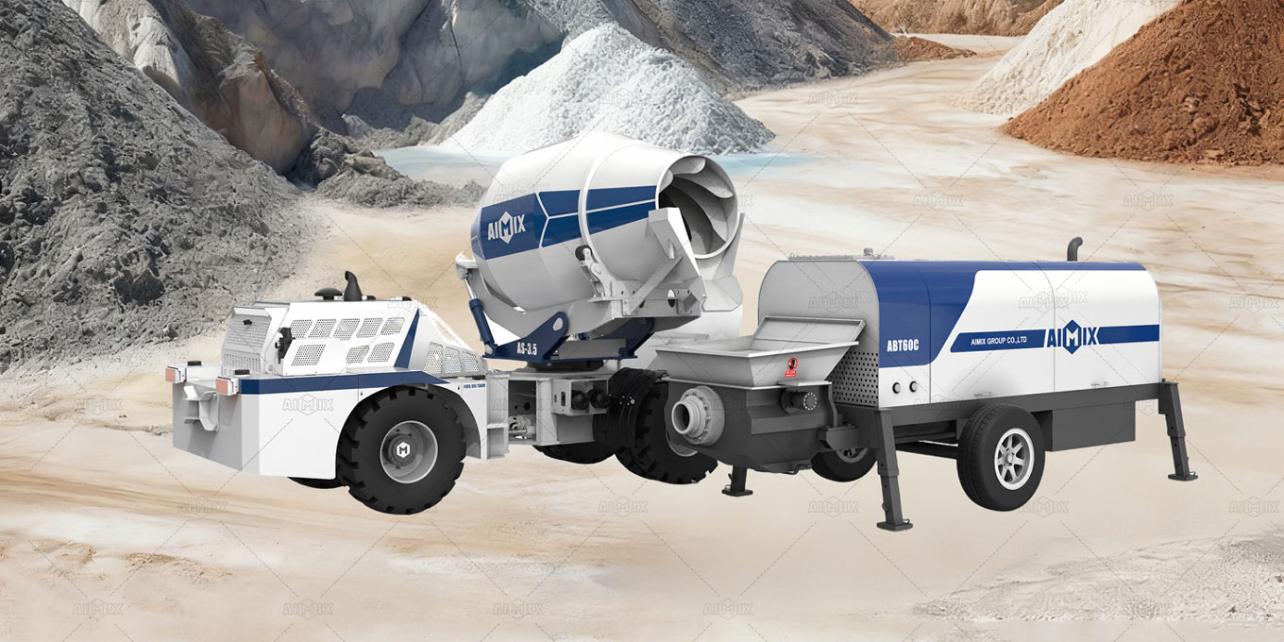
Self-Loading Cement Mixers and Concrete Pumps: A Winning Combo for Construction Projects in Jamaica
The Jamaican construction sector operates within a distinct set of geographic and economic parameters that demand innovative, resilient equipment solutions. Projects ranging from hillside villa developments in Portland to commercial builds in Kingston’s dense urban core face persistent challenges: volatile material supply chains, congested traffic arteries, remote site locations, and the relentless pressure of project budgets. In this context, reliance on traditional, centralized ready-mix concrete delivery can become a critical path vulnerability. A synergistic equipment pairing—the self loading cement mixer and the mobile concrete pump—is emerging not merely as a technological choice, but as a strategic operational paradigm. This combination directly addresses the archipelago’s specific pain points, transforming logistical constraints into manageable variables and offering a compelling formula for project viability and profitability.
Navigating Jamaica's Unique Construction Landscape
To understand the efficacy of this machinery duo, one must first appreciate the Jamaican jobsite’s inherent complexities. These are not mere inconveniences but fundamental forces that shape project timelines and cost structures.
The Terrain and Infrastructure Challenge. Jamaica’s topography is a defining factor. Construction frequently occurs on slopes, in pockets of land with limited road access, or on plots where the establishment of a traditional batch plant is physically impossible. Transporting a standard ready-mix truck up a narrow, winding hillside road is a risky, often impractical endeavor. Furthermore, the country’s infrastructure, particularly in rural parishes, can render long-distance concrete haulage a gamble. The material’s limited pot life may expire in traffic, resulting in costly waste and delayed pours. These geographic and infrastructural friction points demand a decentralized approach to concrete production.
The Economic Imperative for On-Site Efficiency. Beyond geography lies a potent economic driver. Jamaica’s import-dependent economy sees frequent fluctuations in the cost and availability of construction materials. Fuel price volatility directly impacts the cost of every truck roll from a centralized batching plant. By moving production on-site, contractors gain a significant buffer against this exogenous cost volatility. The self loading cement mixer for sale in Jamaica utilizes bulk aggregates and bagged cement, materials that can often be sourced more locally and stored, providing a hedge against supply chain disruptions. This shift from a just-in-time delivery model to a just-in-case production model is a powerful risk mitigation strategy.
The Symbiosis of Self-Loading Mixers and Concrete Pumps
Individually, each machine offers advantages. In concert, they create a closed-loop, on-site concrete delivery system that is greater than the sum of its parts. Their synergy unlocks new levels of project feasibility.
Autonomy from Centralized Supply Chains. The self-loading mixer is the cornerstone of independence. This single unit performs the functions of a front-end loader, a batch plant, and a transit mixer. It can produce precise, small-batch mixes directly where the concrete is needed, using materials stockpiled on the project’s perimeter. It eliminates the dead time and cost of trucks traveling to and from a remote plant. This autonomy is revolutionary for sites in locations like Negril’s coastline or the Blue Mountain foothills, where reliable ready-mix service may be sporadic or prohibitively expensive.
Precision Placement in Constrained and Elevated Sites. This is where the concrete pump for sale Jamaica completes the equation. The mixer produces the material, but the pump defines its ultimate placement. In Jamaica’s dense urban environments—think a new commercial building on a tight lot in New Kingston or a multi-story residential project in Montego Bay—space for material staging and crane operation is severely limited. A concrete pump, particularly a truck-mounted boom pump, can place material with pinpoint accuracy over obstacles and into elevated forms, far from where the mixer is parked. For hillside projects, the pump can convey concrete hundreds of feet vertically and horizontally, reaching foundations or slabs that are otherwise inaccessible. This combination allows work to proceed in the most congested, challenging, and vertically ambitious sites without compromise.
Calculating the Project-Winning Advantage
The final analysis moves beyond operational convenience to hard metrics of cost, time, and competitive differentiation. This equipment pairing translates directly into a stronger bottom line and an enhanced market position.
Overcoming Logistical Friction and Cost Volatility. The financial calculus is compelling. Contractors can dramatically reduce line items for ready-mix concrete delivery charges and potential washout waste. They gain predictable, stable production costs insulated from fuel surcharges and traffic delays. The ability to produce concrete on-demand means no more waiting for delayed trucks, no more overtime for crews idling on-site, and no more rushed, compromised placements as concrete threatens to set in the drum. Projects gain a smoother, more controllable rhythm.
Building Resilience and Competitive Edge. Ultimately, this synergy builds a more resilient contracting business. A firm equipped with this capability can confidently bid on projects in logistically daunting locations that others might avoid, securing work in a less competitive niche. They can guarantee clients more reliable schedules, insulated from the broader supply chain’s frailties. In a market where reliability is currency, the ability to control the most critical path material—concrete—from source to placement is an unparalleled advantage. It transforms a potential project liability into a documented, manageable process, fostering client trust and enabling the successful execution of Jamaica’s most ambitious and geographically unique builds.
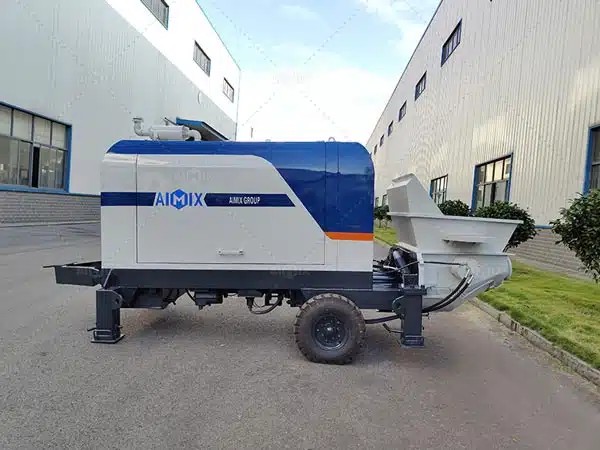
Quiet and Clean: Emerging Trends in Eco-Friendly Static Concrete Pump Design
The concrete pumping sector is undergoing a silent revolution as environmental considerations reshape equipment design priorities. Static concrete pumps, traditionally valued for their reliability in high-volume applications, are now being reimagined through the lens of sustainability and community impact. Manufacturers are addressing two critical pain points—noise pollution in urban environments and diesel emissions at sensitive job sites—through innovations that maintain pumping performance while radically reducing ecological footprints. These advancements come not as trade-offs, but as comprehensive re-engineering of hydraulic systems, power plants, and material handling components.
Modern eco-pumps achieve what seemed impossible a decade ago: near-silent operation below 65 dB for nighttime urban work, particulate emissions reduced by 98% compared to conventional models, and energy consumption slashed through regenerative technologies. The economic justification has become equally compelling, with fuel savings covering the technology premium within 18-24 months of operation. As noise ordinances tighten and emission zones expand, these designs are transitioning from niche alternatives to mainstream requirements for environmentally conscious contractors.
Electrification and Hybrid Power Systems
Full-Electric Static Pump Configurations
Grid-connected electric static pumps now deliver 800-1000 psi output without combustion engines, using intelligent power management that modulates motor speed to match concrete flow demands. These systems incorporate energy-recovery inverters that capture braking energy from the boom system, feeding it back into the power supply. For urban projects near sensitive areas, they eliminate both exhaust emissions and the vibration transmitted through ground surfaces from diesel engines.
Battery-Hybrid Solutions
Where grid power proves unreliable, hybrid systems combine compact diesel generators with lithium-titanate battery banks. These batteries charge during low-demand periods and supplement power during peak pumping, allowing downsized generators to operate at optimal efficiency. The latest designs automatically switch between power sources based on both energy needs and local noise restrictions, maintaining compliance without operator intervention.
Advanced Noise Abatement Technologies
Active Noise Cancellation
Pioneering manufacturers now apply phased-array microphone systems and counter-phase sound generation to neutralize specific frequency ranges. This technology specifically targets the low-frequency rumble that traditional acoustic enclosures struggle to contain, reducing perceived noise levels by an additional 40% beyond passive measures.
Vibration-Isolated Pumping Groups
Modular pumping units mounted on multi-stage isolation platforms prevent structure-borne noise transmission. These systems use a combination of pneumatic springs and magnetorheological dampers that adjust stiffness in real-time based on vibration sensors, achieving 90% vibration reduction compared to rigid-mounted pumps.
Closed-Loop Emission Control
Particulate Filtration Systems
High-efficiency ceramic particulate filters coupled with urea injection systems bring concrete trailer pump emissions to near-zero levels. The filters regenerate automatically during operation using captured waste heat from the hydraulic system, requiring no downtime for cleaning. These systems now achieve 5000+ service hours between maintenance intervals—a 10x improvement over first-generation designs.
Hydraulic Fluid Conservation
New pump designs eliminate external leakage points through hermetically sealed cylinders and magnetic coupling of rotating components. Internal fluid purification systems continuously remove moisture and particulate contamination, extending oil change intervals to 10,000 operating hours while maintaining peak hydraulic efficiency.
The economic calculus of eco-friendly static pumps has shifted decisively in their favor. Where early adopters paid premium prices for environmental benefits, current models deliver lower total cost of ownership through energy savings, reduced maintenance, and compliance cost avoidance. Municipalities increasingly mandate these technologies for public works projects, while private developers value their ability to maintain round-the-clock operations without community complaints. As the industry moves toward net-zero construction, these quiet, clean pumping solutions are redefining what contractors can achieve in sensitive environments—without compromising the relentless performance that static pumps are known for.
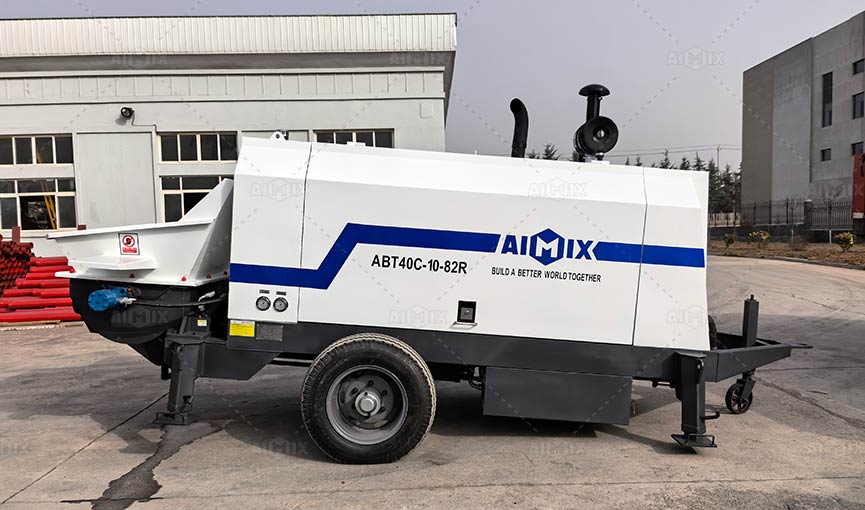
Best Times of Year to Buy a Mobile Trailer Pump for Discounts & Promotions
Timing is not just everything—it’s a strategic advantage, especially when investing in capital-intensive construction machinery like a mobile concrete trailer pump. Whether you're a fleet manager optimizing procurement schedules or a small contractor looking to stretch your budget, knowing when to buy can unlock significant cost savings. Markets fluctuate, inventory cycles shift, and manufacturers adjust pricing based on seasonal patterns and fiscal targets. Understanding the industry’s rhythm can give you a commanding edge. This article dissects the most opportune periods of the year to purchase a mobile trailer pump, revealing when dealers are most willing to bargain and when OEMs roll out their most aggressive promotions.
End-of-Year Liquidation & Fiscal Clearance
December: Aggressive Clearance Deals
The final quarter—specifically December—is the most potent season for bargain hunters in the construction equipment market. Dealerships and manufacturers often rush to clear inventory before new model lines debut in January. Mobile trailer pumps, being capital-intensive items, are rarely carried over due to depreciation risks. As such, resellers aggressively mark down prices to zero out stocks and improve end-year financials.
Moreover, equipment suppliers are under pressure to meet annual sales quotas. This dynamic leads to steep discounting, complimentary maintenance packages, or financing incentives. If your procurement schedule can afford to wait, December offers maximum leverage for negotiation—a buyer’s market in its purest form.
Tax Incentive Deadlines Fuel Motivation
Another underrated December driver is the convergence of tax code deadlines. Many jurisdictions allow significant deductions for machinery purchases under sections such as IRS 179 in the United States. Businesses looking to reduce taxable income make year-end acquisitions a strategic financial decision. Vendors capitalize on this by bundling limited-time offers that make the purchase doubly attractive.
Mid-Year Overstocks & Trade Show Cycles
June–July: Overstock Discounts & Dealer Pressure
By mid-year, dealerships begin to assess whether their annual inventory goals are on track. Units that haven’t moved—especially specialized configurations of mobile concrete pumps—become liabilities. June and July are ripe for identifying overstocked models being pushed at deeply discounted rates.
These months also coincide with the lull between seasonal construction peaks in many regions, making them ideal for buyers to plan ahead and avoid competition-fueled pricing in Q3. If your operations slow in summer, it’s a prime window to capitalize on stagnant inventories that sellers are motivated to liquidate.
Post-Expo Promotions & Demos
Construction expos and equipment roadshows often take place in Q2, and mobile trailer pumps are frequently showcased. Units used in these exhibitions—demo models—become available shortly afterward. Despite minimal usage, these machines are sold at substantially reduced prices. Many include warranties nearly identical to new units.
Sellers are keen to move demo units quickly to avoid logistical and warehousing costs. These post-event periods can be a goldmine for savvy buyers seeking like-new equipment at a fraction of the cost.
Pre-Season Spring Offers & Manufacturer Incentives
March–April: Manufacturer Push for Q1 Growth
March and April represent the start of the construction season in many markets. OEMs launch promotional campaigns to jump-start Q1 revenue. These typically include early bird offers, free upgrades, and subsidized freight on portable concrete pumps.
The logic is simple—manufacturers want to flood the market before competitors gain ground. That urgency often translates into limited-time factory incentives that dealers pass directly to customers. It’s a fleeting window, but one loaded with value.
Fleet Expansion Season for Major Contractors
Large contractors often finalize capital allocations in early spring. Anticipating this, suppliers tailor their most attractive financing and trade-in programs to meet this demand. Smaller buyers can ride this wave, benefiting from promotions originally designed for volume purchasers.
This season is also rich in trade-up opportunities—older units being sold off or traded in make room for new models, creating secondary markets flush with well-maintained equipment. It’s a powerful time for both first-time buyers and those seeking to augment existing fleets.
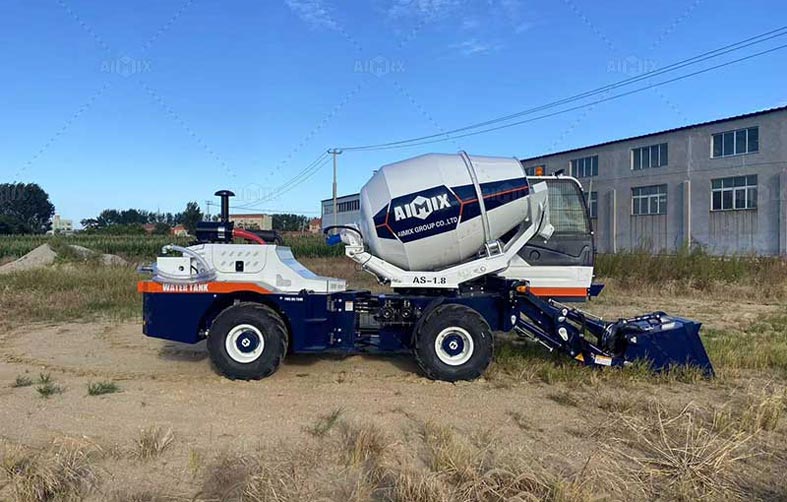
How One Self Loading Concrete Mixer Replaces Multiple Machines
In the evolving landscape of construction, efficiency and cost-effectiveness are at the forefront of any project. One of the most significant innovations in this domain is the self loading cement mixer, a machine that has revolutionized the way concrete is mixed and delivered on construction sites. Unlike traditional methods that require several machines to load, mix, and transport concrete, a self-loading concrete mixer consolidates all these tasks into one. This multi-functional machine not only reduces the need for multiple pieces of heavy equipment but also enhances the overall productivity and cost-efficiency of construction projects.
Consolidating Multiple Functions Into One
The primary benefit of a self-loading concrete mixer is its ability to integrate multiple functions that were traditionally divided among several machines. In conventional construction setups, various equipment is needed to load materials, mix concrete, and then transport the mixed concrete to the work site. These include front-end loaders, concrete mixers, and often trucks to haul the materials. The self-loading concrete mixer, however, combines all these essential functions into a single unit.
Loading Function
In traditional operations, a separate machine, such as a wheel loader, is used to load raw materials like cement, sand, and aggregates into a concrete mixer. With a self-loading concrete mixer, this loading function is integrated into the design. The mixer is equipped with a hydraulically operated bucket that automatically loads the materials into the drum. This integration eliminates the need for additional machines on-site, saving both time and money.
Mixing Function
Once the materials are loaded, the next step is mixing. Traditional setups require a stationary concrete mixer or a truck mixer to perform this task. The self-loading mixer, however, has a rotating drum that not only mixes the concrete but also ensures consistent and thorough blending of the raw materials. This eliminates the need for a stationary mixer, further streamlining the process.
Transportation Function
After mixing, the concrete must be transported to the desired location. Typically, a separate truck or other heavy machinery would be required to carry the mixed concrete. In a self-loading concrete mixer, the same machine that mixes the concrete is also capable of transporting it, thanks to its on-board system. The mixer’s drum design facilitates smooth transportation to the worksite, minimizing the number of vehicles needed and ensuring that concrete is delivered precisely when needed.
Cost and Time Savings
The ability of a self-loading concrete mixer to replace multiple machines results in significant savings in both cost and time. Construction sites often deal with high operational expenses related to the maintenance and operation of multiple pieces of equipment. By consolidating these tasks into a single machine, contractors can reduce the number of machines required, thus minimizing rental fees, maintenance costs, and fuel consumption.
Reduced Equipment Costs
Instead of renting or purchasing separate machines for loading, mixing, and transporting concrete, a self-loading concrete mixer requires only one machine. This reduces the overall equipment expenditure significantly. Additionally, since the mixer integrates multiple functions, contractors avoid the logistics and coordination issues associated with operating several machines simultaneously.
Time Efficiency
Time is a critical factor in construction projects, and the self-loading concrete mixer offers substantial time savings. With its integrated functions, the machine eliminates the need for multiple operators to handle different machines, streamlining the workflow. As a result, the entire concrete mixing, loading, and transportation process is faster and more efficient. The mixer can operate continuously, which reduces delays caused by switching between different machines or waiting for other equipment to become available.
Improved Operational Flexibility
Another compelling advantage of using a self-loading concrete mixer is the operational flexibility it offers. Construction projects often face unpredictable schedules and varied site conditions. The ability to use a single machine that performs multiple tasks allows for greater adaptability in such situations.
Adaptability to Different Construction Sites
Self-loading concrete mixers are designed to be highly versatile, able to perform efficiently in a range of environments. Whether working in tight spaces or on uneven terrain, these concrete mixers in South Africa are equipped with powerful all-terrain wheels and a robust design that ensures smooth operation. Their compact size compared to traditional machines makes them ideal for urban construction sites where space is limited. Moreover, the self-loading feature allows the operator to load and mix materials directly at the construction site, ensuring that the concrete is freshly mixed and immediately available for use.
Reduced Labor Dependence
With a self-loading concrete mixer, the need for multiple workers is reduced. The machine can be operated by a single person, who is responsible for all stages of the concrete production process. This shift towards reduced labor dependence not only cuts down on workforce costs but also enhances safety, as fewer operators are required to work with heavy machinery simultaneously.
Conclusion
The self-loading concrete mixer is a game-changing machine for the construction industry. Its ability to replace multiple machines in a single unit results in significant cost, time, and labor savings. The integration of loading, mixing, and transportation functions into one vehicle leads to a streamlined, more efficient construction process. As the demand for cost-effective and efficient construction solutions continues to rise, the self-loading concrete mixer stands out as a key player in the modern construction landscape.
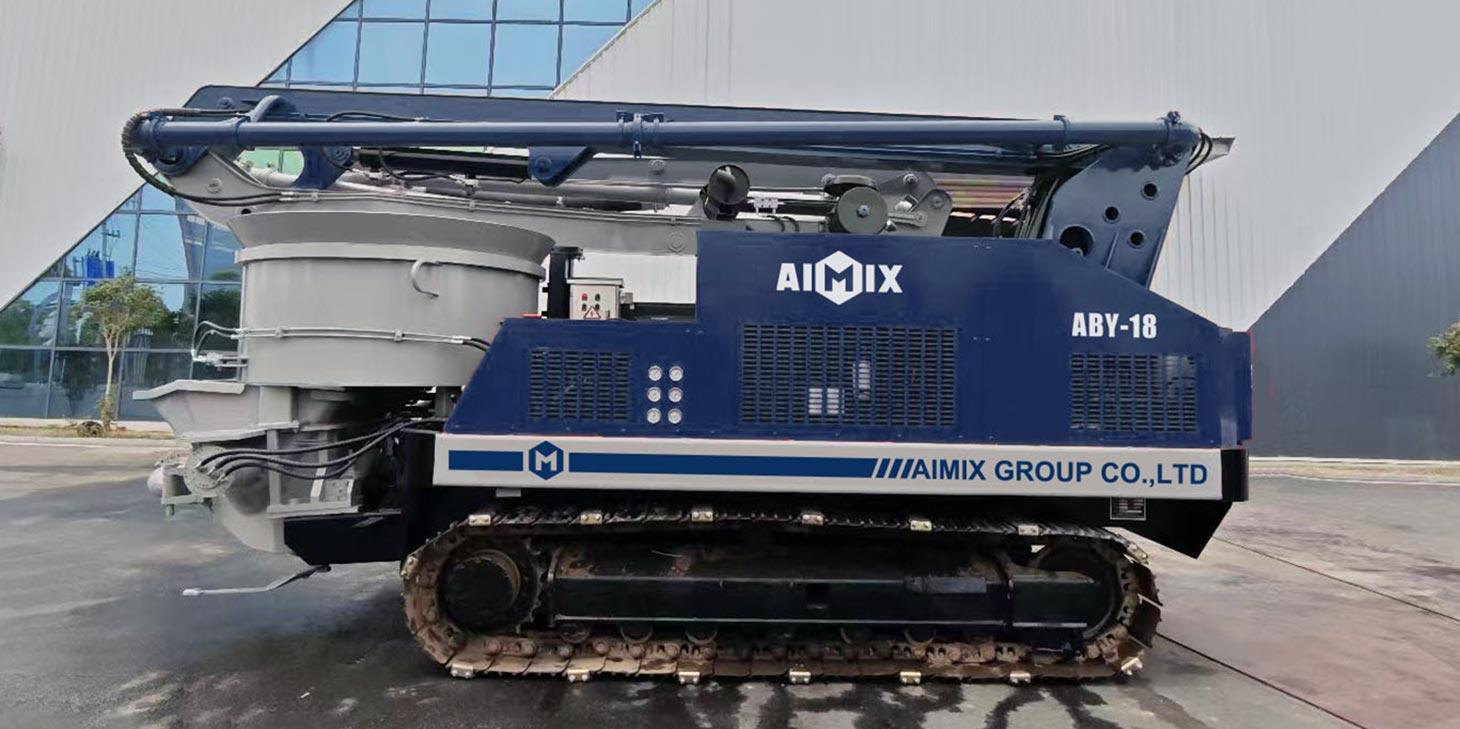
Mini vs Large Concrete Pumps: Key Differences in Application Fields
Concrete pumps play a crucial role in modern construction, ensuring efficient placement of concrete in various project settings. Depending on the scale and requirements of a job site, contractors must decide between mini concrete pumps for sale and large concrete pumps. Each type has distinctive advantages, with mini pumps excelling in tight spaces and intricate work, while large pumps are engineered for high-volume, expansive operations. Understanding the key differences between these pumps is essential to selecting the right machinery for a given project. A well-informed choice can lead to improved productivity, cost savings, and enhanced worksite efficiency.
Structural and Operational Disparities
Design and Mobility
Mini concrete pumps are compact, lightweight, and designed for maneuverability. They are typically mounted on trailers or small trucks, making them highly suitable for urban environments, residential projects, and job sites with limited space. Their small size allows easy transportation and deployment, reducing setup time and logistical constraints.
Large concrete pumps, on the other hand, are heavy-duty machines mounted on robust trucks or equipped with extensive boom arms. These pumps are built for high-volume concrete placement, requiring larger workspaces and stable ground conditions. Their hydraulic booms enable them to deliver concrete at great heights and across extensive horizontal distances, making them ideal for large-scale infrastructure projects.
Pumping Capacity and Efficiency
The key performance difference between mini and large concrete pumps lies in their pumping capacity. Mini pumps typically have lower output rates, often ranging between 20 to 50 cubic meters per hour. While this is sufficient for small-scale projects, it limits their effectiveness in large operations requiring continuous concrete flow.
In contrast, large concrete pumps boast high-output capacities exceeding 100 cubic meters per hour. Their ability to transport substantial concrete volumes over long distances makes them indispensable for massive projects such as commercial buildings, bridges, and tunnels. Additionally, their advanced hydraulic systems ensure consistent pumping efficiency with minimal interruptions.
Application Suitability
Ideal Use Cases for Mini Concrete Pumps
Mini concrete pumps are preferred for small to mid-scale projects where precision, accessibility, and cost-efficiency are top priorities. These include:
- Residential housing foundations
- Narrow alleyway construction
- Swimming pools and landscaping
- Small-scale road repairs
Their compact structure makes them suitable for interior renovations and sites with restricted access, where larger concrete pump truck for sale would be impractical.
Ideal Use Cases for Large Concrete Pumps
Large concrete pumps are the primary choice for high-rise buildings, expansive commercial developments, and infrastructure projects. Their suitability extends to:
- Multi-story construction
- Highway and bridge construction
- Mass concrete pouring for dams and tunnels
- Industrial facilities and power plants
Their long-reach booms and high-output capabilities allow efficient concrete placement over vast areas, reducing manual labor requirements.
Economic and Operational Considerations
Cost Implications
Cost plays a significant role in choosing between mini and large concrete pumps. Mini pumps offer a lower initial investment, reduced fuel consumption, and minimal maintenance costs. Their affordability makes them an attractive choice for contractors handling small-scale projects with limited budgets.
Conversely, large concrete pumps involve a higher capital investment, extensive maintenance requirements, and greater fuel consumption. However, their ability to complete large projects faster can offset these costs, improving overall efficiency and profitability.
Worksite Adaptability
Mini concrete pumps are highly adaptable to tight job sites, offering quick deployment and reduced setup time. They require minimal workforce intervention, making them an excellent option for fast-paced urban developments.
Large concrete pumps, while powerful, require careful planning due to their size and operational complexity. They demand larger workspaces, stable ground conditions, and skilled operators to ensure optimal performance.
Conclusion
Choosing between mini and large concrete pumps depends on the scale, budget, and site conditions of a project. Small concrete pump excels in confined spaces and precision work, while large pumps dominate in high-volume, expansive construction tasks. By assessing project requirements and financial constraints, contractors can make informed decisions that maximize efficiency and cost-effectiveness. Whether for residential builds or large-scale infrastructure, the right concrete pump can significantly enhance construction workflows and overall project success.
Top 10 Tips to Avoid Overpaying for a Self-Loading Concrete Mixer in Tanzania
Investing in a self-loading concrete mixer in Tanzania is a significant decision for any contractor or construction company. These machines are known for their efficiency and versatility, but like any large purchase, they can be costly. Whether you're looking for a new or used unit, it's essential to approach the buying process with careful consideration. In this article, we'll provide you with the top 10 tips to avoid overpaying for a self-loading concrete mixer in Tanzania, ensuring you make a well-informed, cost-effective purchase.
1. Understand the Local Market Pricing
Before starting your search, it's vital to gain a clear understanding of the local market prices for self-loading concrete mixers. Price of self loading concrete mixer can vary depending on the model, manufacturer, and market trends. Researching different suppliers in Tanzania will give you a benchmark for what you should expect to pay. Ensure that you compare prices for similar machines, factoring in specifications, condition, and brand reputation.
1.1 Research Multiple Dealers
Don’t settle for the first dealer you find. Take time to explore different suppliers and get quotes from multiple sources. Local dealers may offer competitive pricing, but don’t forget to check out international suppliers who may offer better deals, especially if they provide shipping to Tanzania. Always ask for a written quote and compare the overall cost, including taxes, shipping, and additional fees.
2. Evaluate the Machine’s Condition
Whether buying new or used, the condition of the self-loading concrete mixer is a critical factor in its price. A machine’s age, usage, and maintenance history can significantly influence its value. It’s essential to inspect the mixer thoroughly or request detailed inspection reports from the seller. This helps to avoid hidden issues that may cost you more down the line.
2.1 Ask for a Service History
If you are purchasing a used machine, always request the service history. This will provide insight into the frequency and type of maintenance the mixer has undergone. A well-maintained machine is more likely to be in good working condition and save you future repair costs.
2.2 Inspect for Wear and Tear
It’s essential to check for signs of wear, especially on critical parts like the engine, hydraulic system, and drum. Ensure there is no significant rust, cracks, or leaks. Any visible issues can be a red flag, indicating that the machine may need costly repairs soon after purchase.
3. Consider the Total Cost of Ownership
When purchasing a self-loading concrete mixer, the initial price is only one part of the equation. To avoid overpaying, it’s crucial to assess the total cost of ownership over the machine’s lifespan. This includes fuel efficiency, maintenance costs, and spare parts availability. A slightly higher upfront cost might be justified if the machine offers long-term savings in maintenance and fuel consumption.
3.1 Factor in Fuel Efficiency
Fuel efficiency plays a crucial role in the operating cost of the mixer. Self loading concrete mixer in Tanzania with more efficient engines will consume less fuel, helping to lower operating costs in the long run. Look for models known for their fuel efficiency, especially if your projects will require frequent usage.
3.2 Consider Long-Term Maintenance Costs
Some brands and models of self-loading concrete mixers may require frequent maintenance or the replacement of certain components more often than others. It's important to inquire about spare parts availability and the general maintenance needs of the machine. Machines with easily accessible parts and lower maintenance requirements often cost less in the long run.
4. Verify the Warranty and Support Services
One of the most important factors to consider is the warranty and support services offered by the dealer or manufacturer. A solid warranty can save you significant costs on repairs and parts replacement. Ensure that the machine you are considering comes with a comprehensive warranty that covers potential issues that may arise after purchase.
4.1 Check Warranty Coverage
Always ask for detailed information on what is covered under the warranty. Some warranties may only cover parts, while others may include labor and shipping costs. A long-term warranty can provide peace of mind, as it reduces the financial risk of unexpected repairs.
4.2 Consider After-Sale Support
Having reliable after-sale support is just as important as the warranty itself. Ensure that the dealer or manufacturer offers accessible customer support and is available for repairs or troubleshooting. It’s essential to know how quickly the company can respond to any issues and whether they provide local repair services or remote assistance.
5. Beware of Hidden Fees and Extras
When negotiating the price of a self-loading concrete mixer, always be aware of additional costs that may not be immediately apparent. These may include delivery charges, taxes, or extra fees for added features. Ask for a breakdown of all costs involved before finalizing your purchase to avoid unpleasant surprises.
5.1 Clarify Delivery Charges
Delivery charges, especially for international shipments, can add a significant amount to the overall cost. Make sure to clarify the shipping costs upfront, including any potential customs duties or taxes that may apply when importing the mixer into Tanzania.
5.2 Consider Optional Add-Ons
Some sellers may offer additional features or attachments for the mixer, such as enhanced mixing systems or upgraded hydraulic systems, for an extra charge. While these add-ons can improve the performance of the mixer, it’s important to assess whether they are truly necessary for your operations or if they simply add to the cost.
6. Negotiate for the Best Deal
Never accept the first offer without negotiating. Sellers often expect some level of negotiation, especially if you’re purchasing more than one unit. Don’t be afraid to ask for discounts, special offers, or payment terms that could help reduce the overall cost.
6.1 Leverage Bulk Purchases
If you are buying multiple units, use this to your advantage. Many suppliers are willing to offer discounts for bulk purchases. If you need several self loading mini concrete mixers, negotiate a price reduction based on the number of units you intend to purchase.
6.2 Explore Financing Options
If the upfront cost is a concern, ask the seller if they offer financing options. Some suppliers offer financing plans with favorable terms, allowing you to spread out payments over time. This can help ease the financial burden while still acquiring the equipment you need.
7. Conclusion
By following these tips, you can avoid overpaying for a self-loading concrete mixer in Tanzania. Remember, taking the time to research the market, carefully evaluating the machine’s condition, considering the total cost of ownership, and negotiating effectively can save you significant amounts of money in the long term. With the right approach, you can secure a fair price for a reliable, high-quality machine that will serve your construction needs for years to come.
Timing Your Purchase: When to Buy a Self-Loading Concrete Mixer for the Best Price
Investing in a self-loading concrete mixer is a strategic decision that requires careful planning. The right timing can mean the difference between a costly purchase and a significant saving. Several factors influence market self loading concrete mixer price, including seasonal trends, manufacturer discounts, and economic conditions. Understanding these variables ensures that buyers secure the best deal without compromising on quality or efficiency.
Understanding Seasonal Pricing Trends
Peak Demand vs. Off-Peak Savings
Concrete equipment sales fluctuate based on construction activity. During peak construction seasons, typically in spring and summer, demand for self-loading mixers surges, driving up prices. Contractors rush to acquire equipment, and suppliers capitalize on high demand. Conversely, during off-peak months in late autumn and winter, sales slow, prompting manufacturers and dealers to offer discounts to clear inventory.
Purchasing during the off-peak period allows buyers to negotiate better prices. Additionally, companies often introduce new models at the start of the year, leading to price reductions on older stock. Buyers who plan ahead can take advantage of these price shifts to make cost-effective investments.
End-of-Year Discounts and Clearance Sales
Many equipment suppliers offer end-of-year sales to clear inventory before new models arrive. This period presents an excellent opportunity to purchase high-quality machines at a fraction of their usual cost. Dealers may also offer incentives such as extended warranties or free maintenance packages to entice buyers.
Leveraging Economic Conditions for Better Deals
Currency Exchange and Import Costs
Global economic fluctuations impact equipment prices. Buyers should monitor currency exchange rates if purchasing from international suppliers. A stronger local currency reduces import costs, making foreign-manufactured mixers more affordable. Additionally, trade policies, tariffs, and shipping costs can influence final pricing.
In times of economic downturn, manufacturers may lower prices to maintain sales volume. Purchasing during these periods allows buyers to secure premium equipment at discounted rates.
Market Competition and Negotiation Power
A competitive market benefits buyers. When multiple suppliers compete for sales, customers gain stronger negotiation leverage. Comparing offers from various dealers and requesting quotes allows buyers to identify the most cost-effective options.
Additionally, bulk purchasing or combining multiple orders—such as acquiring a self loading mixer for sale in Tanzania alongside other construction equipment—can lead to bundle discounts.
Strategic Planning for Long-Term Savings
Balancing Cost with Operational Needs
While securing the lowest price is essential, buyers must also consider long-term operational efficiency. A cheaper mixer with higher maintenance costs may lead to greater expenses over time. Investing in a durable, fuel-efficient model minimizes operating costs and enhances productivity.
Additionally, reviewing financing options can ease the financial burden. Some dealers offer flexible payment plans or lease-to-own agreements, allowing businesses to optimize cash flow.
Timing Purchases Based on Project Timelines
Planning purchases around project schedules prevents unnecessary expenditures. Buying too early may lead to storage and depreciation issues, while last-minute purchases often result in rushed decisions at higher costs. Aligning procurement with anticipated project demand ensures seamless operations without overspending.
By strategically timing a self-loading concrete mixer purchase, buyers can achieve substantial savings while acquiring a machine that meets operational needs. Monitoring market trends, leveraging economic conditions, and negotiating with suppliers ensures the best deal possible.
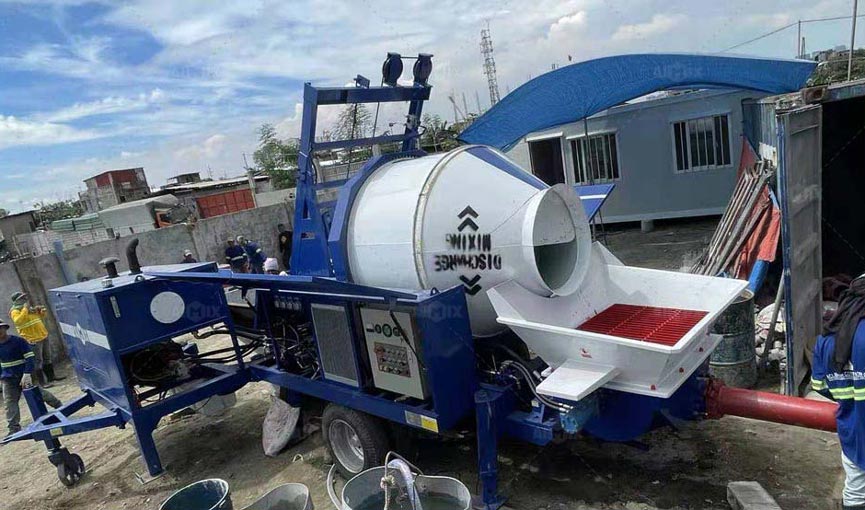
How a Mini Portable Concrete Pump Saved Time on a Residential Renovation
Residential renovation projects often require precision, efficiency, and the ability to adapt to a variety of site constraints. When it comes to concrete delivery, time is a critical factor. In many cases, traditional methods of concrete pouring are labor-intensive and can lead to delays. Enter the **mini portable concrete pump**, a game-changer in residential construction. This compact, efficient machine has proven to be a powerful tool in streamlining the concrete pouring process, reducing labor costs, and speeding up project timelines. In this article, we’ll explore how a mini portable concrete pump transformed a residential renovation, saving valuable time and improving overall project efficiency.
The Role of the Mini Portable Concrete Pump in Residential Renovations
Renovating an existing home often involves working with limited space, especially in densely populated or urban areas. **Mini portable concrete pumps** are designed with mobility in mind, making them ideal for residential projects that may not have the space to accommodate larger, more traditional concrete pumping machinery. These machines are not only compact but also incredibly versatile, capable of delivering concrete precisely where it’s needed—whether it's at the top of a building, in a narrow alley, or in a confined backyard.
What sets mini portable concrete pumps apart from their larger counterparts is their **efficiency**. Despite their small size, these pumps can handle a wide range of concrete types and pumping distances, providing **reliable performance** on residential renovation projects. This efficiency means that the time spent waiting for concrete to be mixed and transported is significantly reduced, helping to keep the project on schedule. Additionally, the **reduced footprint** of mini portable concrete pumps means that they can be maneuvered easily into areas that might otherwise be difficult to access, further increasing their utility in residential settings.
Minimizing Delays with Faster Concrete Delivery
One of the most significant advantages of a mini portable concrete pump in residential renovation is its ability to minimize **delays**. Traditional methods of concrete delivery, such as wheelbarrows or manual labor, often slow down the project, especially when the construction site is in a challenging location. For example, on a narrow or sloped lot, moving concrete by hand can be time-consuming and physically exhausting for workers.
With a mini portable concrete pump, concrete can be pumped directly to the desired location, reducing the **labor intensity** and **eliminating the need for additional equipment** such as cranes or multiple transport vehicles. The pump’s ability to navigate tight spaces and deliver concrete precisely where it’s needed helps prevent time lost in unnecessary transport. For instance, during the renovation of a small home with limited access, the mini concrete pump was able to deliver the concrete directly to the rear of the house without needing to move heavy mixers or deal with the traffic of large vehicles on a busy street.
Improving Precision and Reducing Waste
In residential renovations, precision is key. A mini portable concrete pump allows for a **high degree of accuracy** when delivering concrete to specific locations on a job site. This precision not only ensures that the concrete is poured exactly where it’s needed but also helps reduce **material waste**. Traditional methods of concrete delivery often result in spillage or over-pouring, as manual laborers struggle to control the flow. With a concrete pump, the material is directed through hoses directly to the designated area, significantly reducing the risk of waste and minimizing the environmental impact of the project.
For example, during the renovation of a residential basement, the mini portable concrete pump was able to deliver an exact amount of concrete into the formwork, reducing the need for excess concrete that would have been discarded. This precision is not only cost-effective but also environmentally responsible, as it reduces the overall material consumption. In addition, the ability to maintain control over the pour means that the concrete can be placed with greater **consistency**, leading to a stronger, more durable foundation once the renovation is complete.
How a Mini Portable Concrete Pump Saved Time and Money
When considering the overall **time savings** associated with using a mini portable concrete pump, the benefits become immediately apparent. The machine’s ability to pump concrete directly to hard-to-reach areas reduces the number of workers needed on site. This directly translates into **reduced labor costs**, as fewer workers are needed to manually mix, transport, and pour the concrete. Additionally, the mini pump’s faster delivery times help speed up other phases of the project, such as curing and setting, allowing renovation tasks to progress without unnecessary delays.
Not only does this increase the speed of construction, but it also helps keep the renovation project within **budget**. Delays and inefficiencies caused by traditional methods can lead to increased labor costs and the need for additional resources. The mini concrete trailer pump for sale, however, minimizes these issues, enabling the renovation project to stay on schedule and within the planned financial parameters. With the concrete being delivered precisely when and where it’s needed, the project can maintain momentum without unforeseen setbacks.
Reducing Environmental Impact and Enhancing Safety
The use of a mini portable concrete pump also contributes to a reduction in the **environmental impact** of residential renovations. The more efficient delivery system leads to less fuel consumption and fewer vehicle emissions since fewer trucks are needed to transport concrete. Additionally, by minimizing the amount of wasted concrete and eliminating the need for manual labor to carry concrete by hand, the mini portable concrete pump helps reduce the overall carbon footprint of the renovation project.
Safety is another key factor that improves with the use of a mini portable concrete pump. Because the pump operates efficiently and requires fewer workers in physically demanding positions, the risk of workplace accidents is minimized. In addition, the precise control over the concrete pour ensures that workers can operate in a safer environment, avoiding the hazards typically associated with manual concrete placement.
Conclusion: Efficiency and Precision Redefine Residential Renovations
In conclusion, the use of a **mini portable concrete pump** on a residential renovation project provides undeniable benefits, particularly in terms of **time efficiency**, **precision**, and **cost savings**. The ability to access difficult areas, reduce labor needs, and minimize material waste ensures that projects can progress smoothly and stay on schedule. As residential renovations continue to grow in complexity, these advanced machines offer a solution that improves the quality of the work while delivering long-term savings. By integrating mini portable concrete pumps into their operations, contractors can save time, reduce environmental impact, and enhance overall safety on site.
What Is The Return On Investment For A Concrete Mixer with Pump?
Investing in a concrete mixer with pump can significantly enhance your construction projects. These machines are designed to streamline processes and boost productivity. But what does this mean for your return on investment (ROI)? Understanding the financial benefits of concrete mixer with pump is crucial for any business decision.
Why Choose a Concrete Mixer with Pump?
A concrete mixer with pump combines mixing and pumping in one efficient machine. This dual functionality saves time and labor costs. Imagine completing projects faster while requiring fewer workers on-site. This efficiency translates directly into increased profitability.
Cost Savings You Can Count On
One of the primary advantages of using a concrete mixer with pump is the reduction in material wastage. Traditional methods often result in excess concrete. However, with precise control over the mixture, you minimize waste and maximize your resources. This leads to significant cost savings.
Furthermore, these machines are versatile. They can handle various types of concrete mixes for different projects. Whether you’re constructing a small residential building or a large commercial complex, this concrete pumping machine for sale adapts to your needs. The broader application means more business opportunities.
Boosting Efficiency with Technology
Modern concrete mixers with pumps are equipped with advanced technology. This includes automated controls and real-time monitoring systems. These features enhance operational efficiency. You can track performance and adjust settings for optimal results.
Additionally, the integration of these mixers with other equipment, like a crusher machine, amplifies efficiency even further. A stone crushing plant can supply materials for your mixer continuously. By synchronizing these tools, you create a seamless workflow.
Long-Term Benefits for Your Business
Investing in a concrete mixer with pump also presents long-term benefits. These machines are built to last. Their robust design reduces the need for frequent repairs. This durability ensures that you can rely on your investment for many years.
Moreover, having a concrete mixer with pump can set you apart from competitors. Clients appreciate timely project completion. By delivering results quickly and efficiently, you enhance your reputation in the industry.Get best price details here: https://aimixconcretesolution.com/concrete-mixer-with-pump/price/.
Understanding the ROI Calculation
Calculating the ROI for a concrete mixer with pump involves several factors. Start by considering the initial investment cost. Then, evaluate your savings on labor and materials. Lastly, factor in increased revenue from taking on more projects. When you analyze these figures, the benefits become evident.
In summary, the return on investment for a concrete mixer with pump is substantial. You can save money, boost efficiency, and enhance your business reputation. The combination of advanced technology and versatile applications makes this machine a smart choice. Investing in a concrete mixer with pump is investing in your future success.